One-time for 1 person
Free
Level
Beginner
Level
Time to Complete
80 hours 0 minute
Lessons
15 Lessons
Language
English
Rating
(
0 Review)
0
Updated:
AIP CERTIFICATE: OCCUPATIONAL HEALTH AND SAFETY
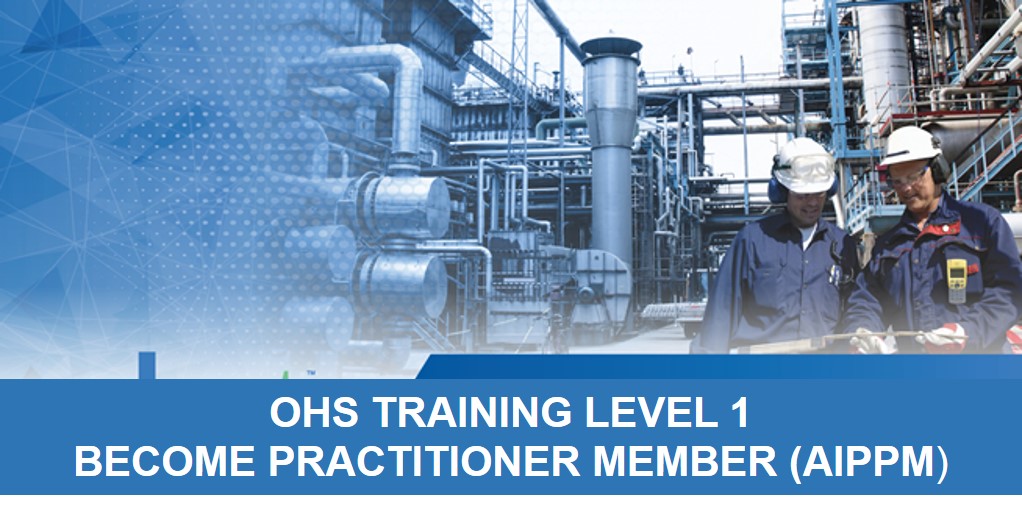
The AIP Certificate in Basic Occupational Health and Safety (OHS) is designed to equip participants with foundational knowledge and practical skills to identify hazards, reduce workplace risks, and promote a safe and compliant working environment in line with South African legislation.
This course is ideal for:
- Safety Representatives
- Supervisors & Line Managers
- HR & Admin Officers
- Construction & Site Workers
- School & Facility Managers
- Anyone entering the OHS field
Aligned with the Occupational Health and Safety Act and relevant regulations.
Enrolled by
What You’ll Learn?
1. Definition of Occupational Health and Safety (OHS)
Occupational Health and Safety (OHS) refers to the policies, procedures, and practices designed to ensure the health, safety, and welfare of employees in the workplace. It focuses on preventing work-related injuries, illnesses, and accidents by identifying hazards, assessing risks, and implementing appropriate safety measures.
Key Points:
OHS is about protecting employees from potential hazards in their work environment.
It applies to all industries – manufacturing, healthcare, retail, offices, construction, etc.
It is guided by laws and regulations in most countries to ensure employers meet minimum safety standards.
2. Importance of OHS
Understanding and applying OHS principles is crucial for both employees and organizations. Here’s why:
a) Protects Employees
Prevents accidents, injuries, and occupational diseases.
Promotes physical and mental well-being at work.
b) Reduces Costs
Minimizes medical expenses and compensation claims.
Prevents loss of productivity due to absenteeism or downtime.
c) Legal Compliance
Ensures the organization complies with workplace safety laws and regulations.
Avoids penalties, fines, and legal actions.
d) Enhances Productivity and Morale
Safe workplaces boost employee confidence and morale.
Reduces stress and fear of injuries, which improves efficiency and output.
e) Protects the Organization’s Reputation
Companies with strong OHS practices are seen as responsible and trustworthy.
Helps attract and retain skilled employees.
f) Promotes a Safety Culture
Encourages employees to be aware of risks and practice safe behaviors.
Leads to continuous improvement in safety standards.
Summary
Learning OHS is not just a regulatory requirement; it is a fundamental aspect of running a safe, efficient, and productive workplace. Understanding its definition and importance sets the foundation for preventing accidents and ensuring well-being for everyone in the organization.
Course Syllabus
MODULE 1:Introduction to Occupational Health and Safety
2 Lessons1 Quiz
Module 2: Hazard Identification and Risk Assessment (HIRA)
3 Lessons1 Quiz
Topic 3: Sketching and Ideation
3 Lessons1 Quiz
Topic 4: Designing and Digitizing Your Logo
4 Lessons1 Quiz
Topic 5: Finalizing, Exporting, and Presenting
3 Lessons1 Quiz
Meet Your Instructor

Student Review
0
(
0 review)
Similar Courses

0
by
admin
TYPES OF BUSINESSES YOU CAN START WITH LOW CAPITAL IN SOUTH AFRICA

0
by
admin
GETTING FUNDING TO START A SMALL BUSINESS

0
by
admin
STARTING A CORPORATE BRANDING BUSINESS: FROM IDENTITY TO MARKET PRESENCE
One-time for 1 person
Free
Level
Beginner
Time to Complete
80 hours 0 minute
Lessons
15 Lessons
Language
English
Rating
(
0 Review)
0

Start your journey with free trial
Interactive courses designed to take your skills to the next level, anytime, anywhere